Buried Rochester focuses on the wonderful variety of cemeteries within an hour of the city. The book points out how cemetery visits can be paired with a focus on history, such as following the Freedom Trail, or on nature, heading south along the Genesee River. Cemetery visits also can be linked to the Erie Canal, an upstate treasure inter-twined with the region’s history. Through the seasons, cemeteries along the lake offer beautiful scenery as well as a lesson in history. Mount Hope Cemetery itself is a fascinating place for a walk, a tour, or a lesson in local geology. The book explores cemeteries from Lockport to Auburn and South to Geneseo with a side trip to the Finger Lakes. Take a day trip and include a cemetery!
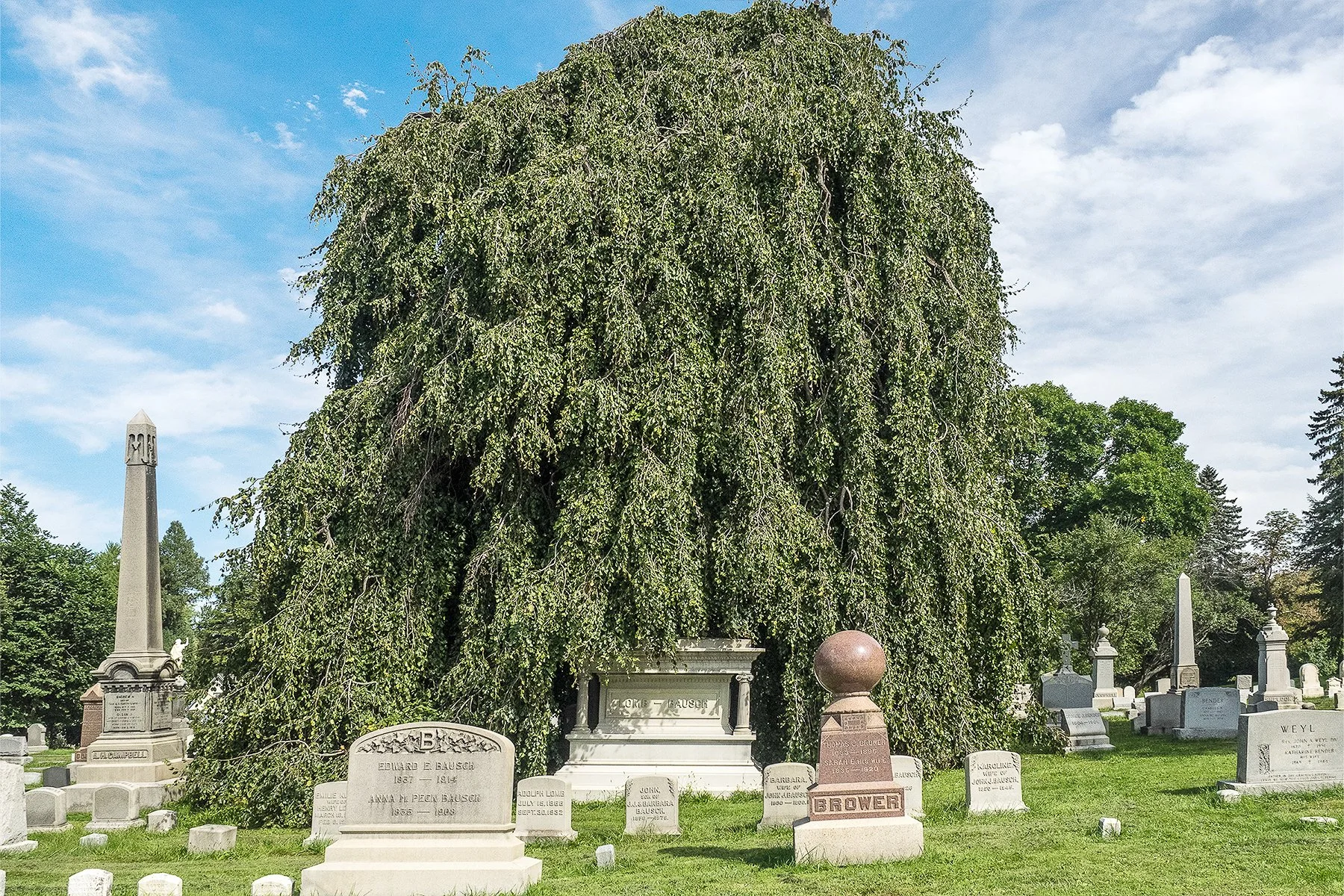
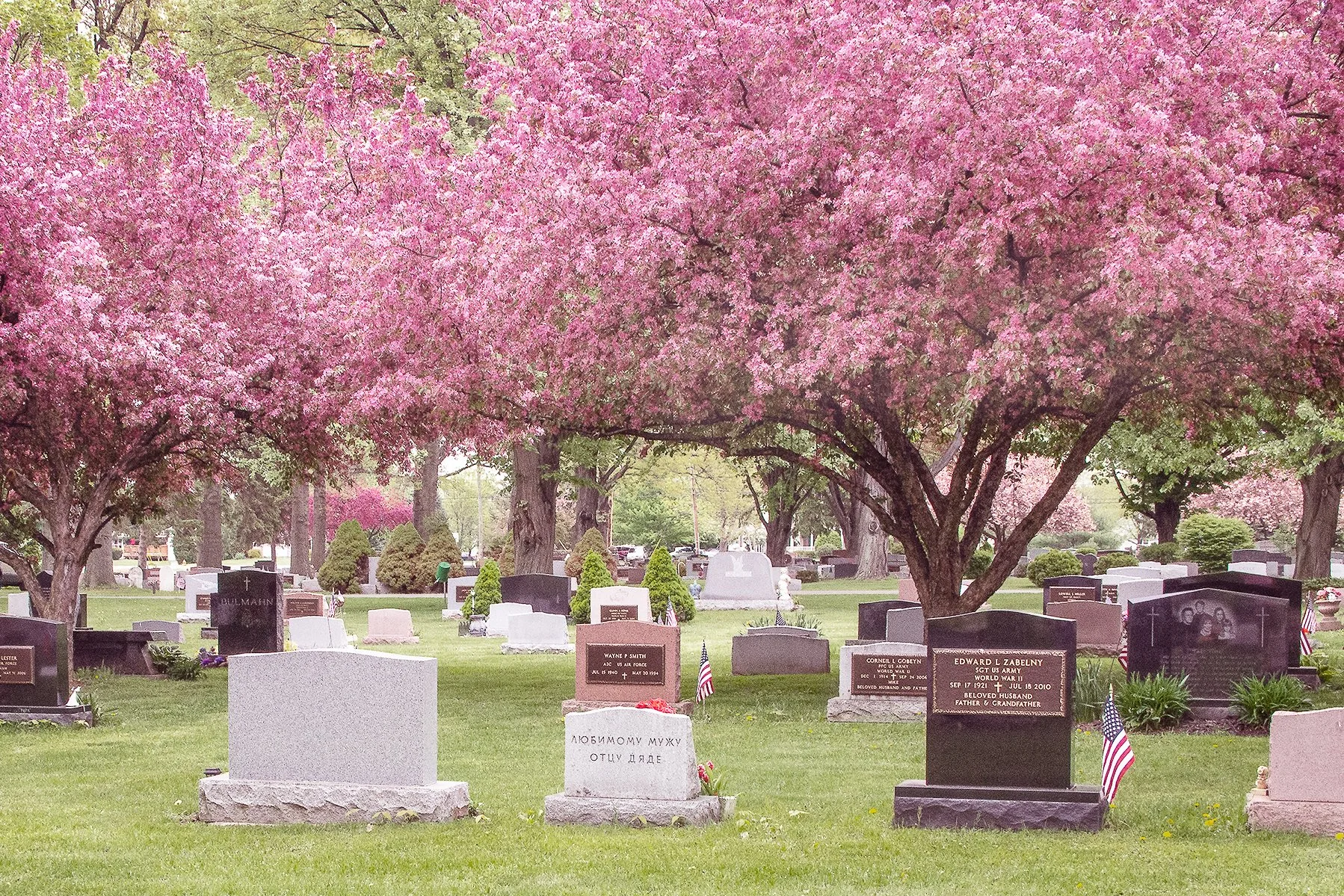
The book is organized to show the evolution of cemeteries in the Rochester Area over time. Early settlers’ graves were simple. Headstones made of whatever materials were available. As the population grew traditional marker materials became available such as local limestone and marble from Vermont. Stone cutters arrived using the patterns common in New England. Later they developed styles unique to the area.

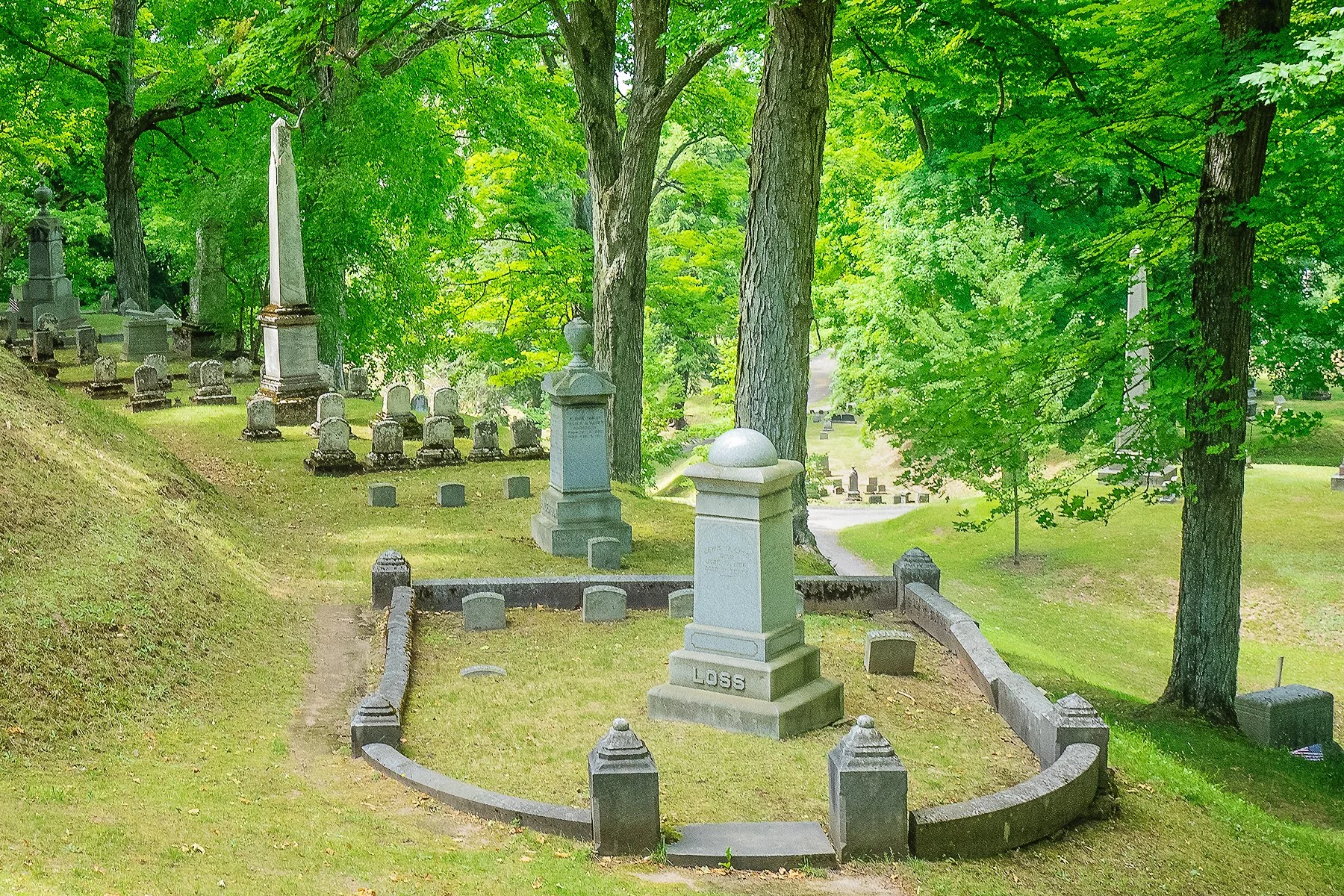
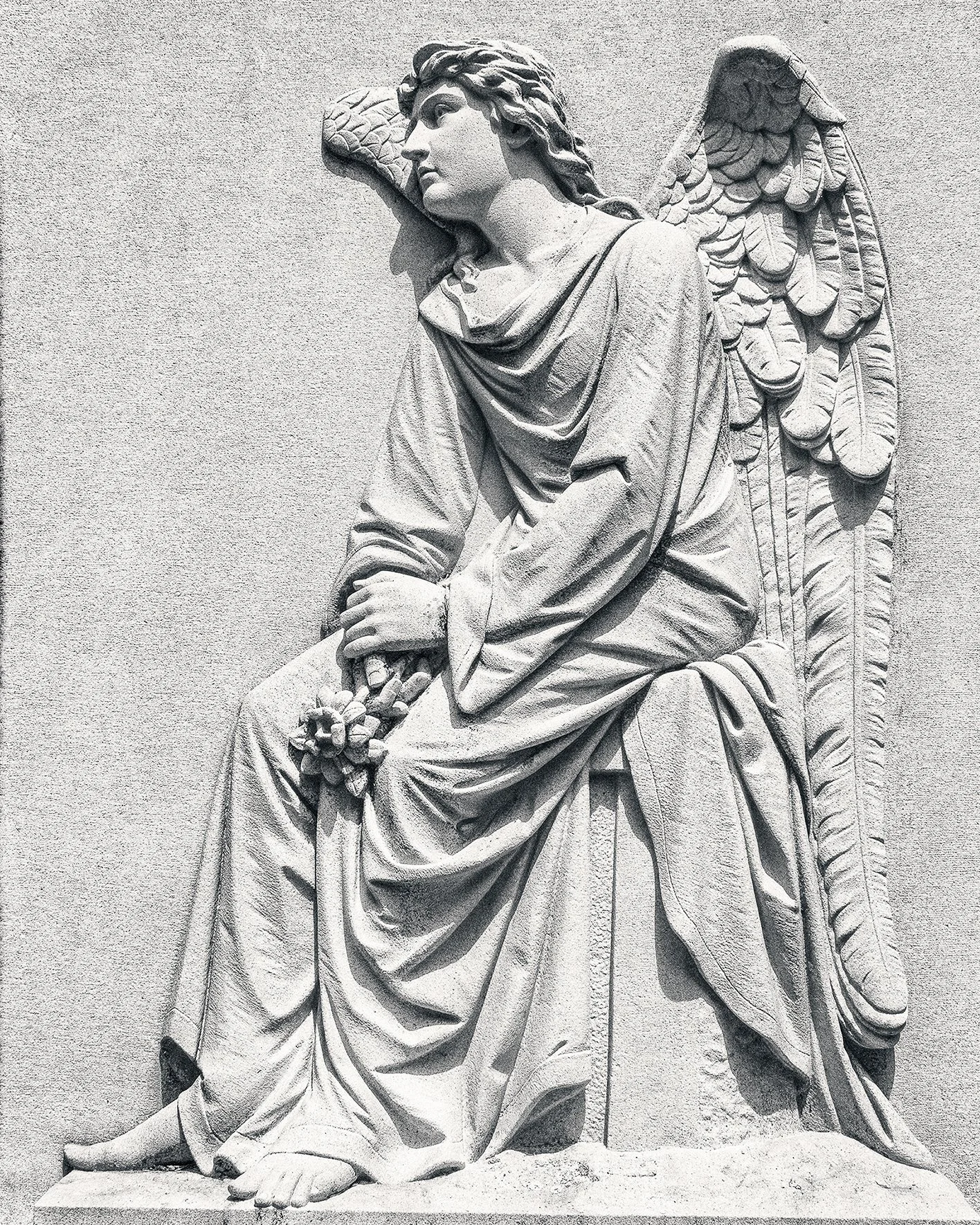
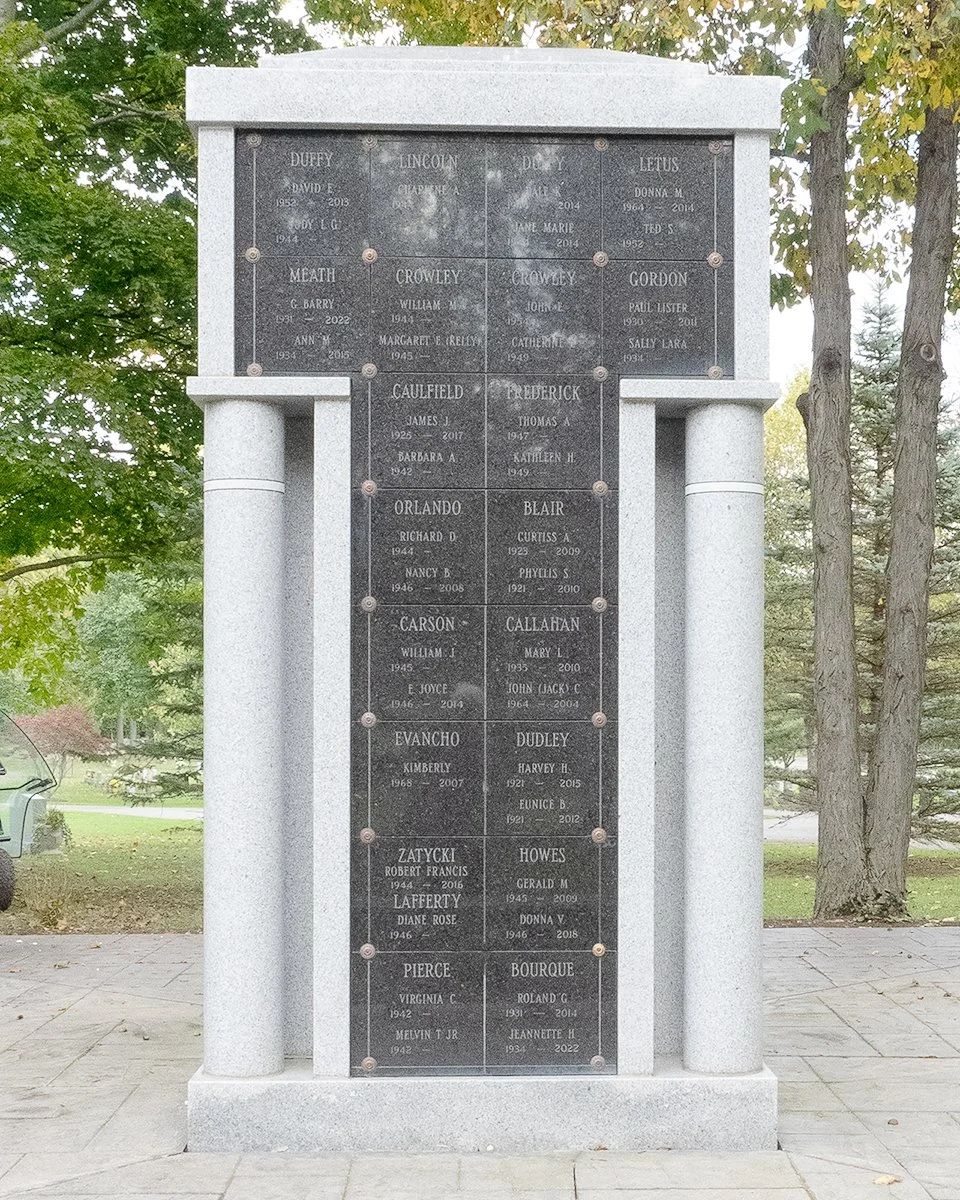
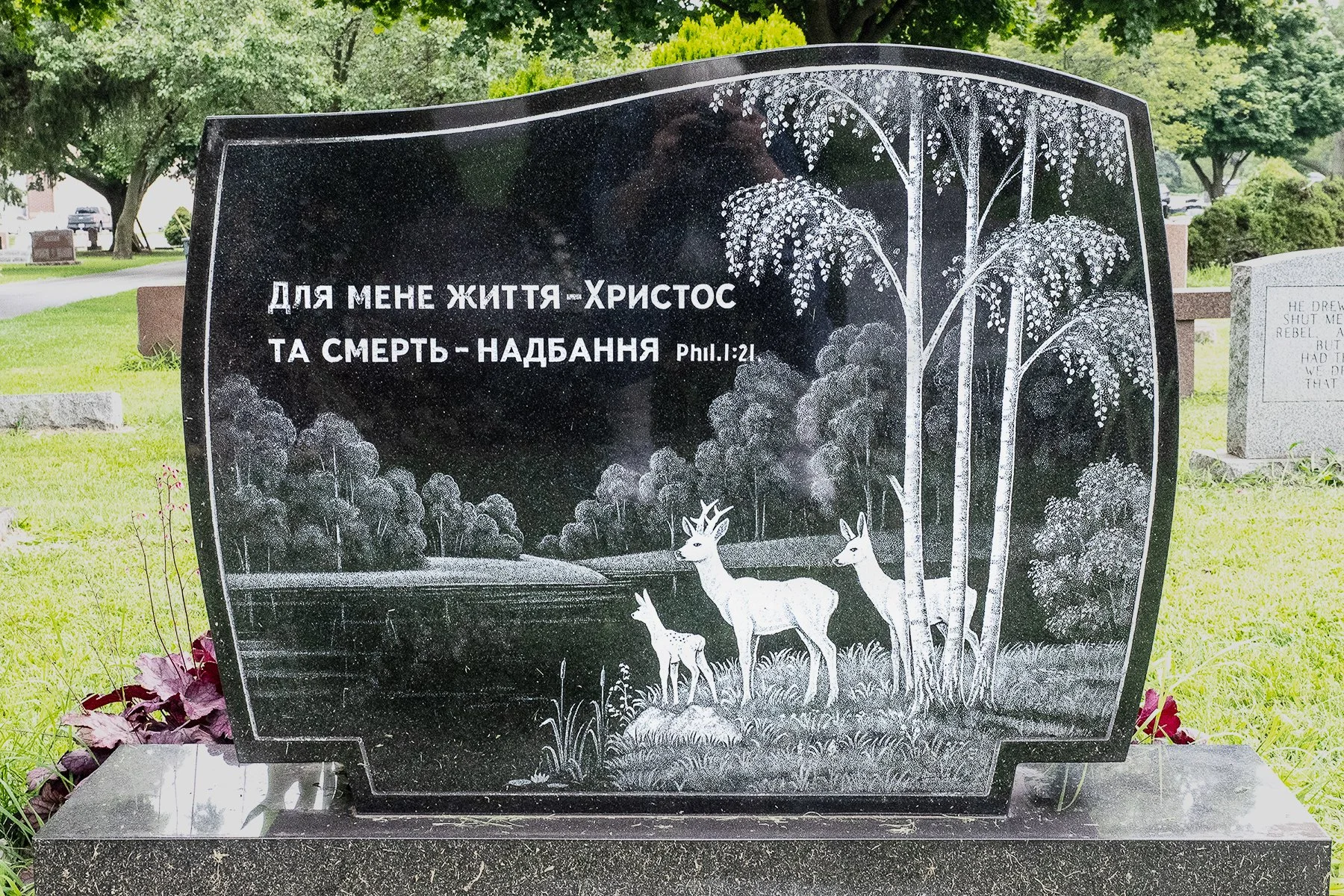
As garden cemeteries were developed in the larger towns, intricate sculptures and large obelisks were found in family plots. Stones were hand-carved with tools used since the 1600s. In the late 1800s granite became the stone of choice because it was more durable. Sandblasting and etching were used to create simpler and more modern designs. Headstones were arranged in rows toa accommodate the new mowing machines, making maintenance easier as cemeteries grew larger. Contemporary burials focus on individual designs laser-etched on stone. Many families choose cremation for individual burial or housed in above-ground structures.

Jim Memmott of the Democrat and Chronicle wrote in his review of the book,”Hopkins’ book shows that cemetery visitors don’t even have to know cemetery residents. Enjoy the shade. Read the headstones. It’s worth the visit.”